
Primary Care
Why Your Leg Pain Might Be a Warning Sign: Understanding Intermittent Claudication and Peripheral Artery Disease (PAD)
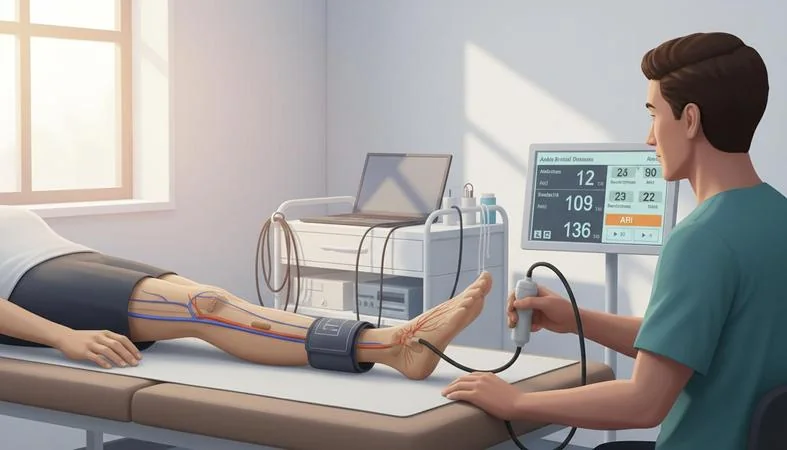
Do your legs hurt when you walk—but feel better after resting? That's not just "getting older." You could be experiencing intermittent claudication , one of the most common symptoms of Peripheral Artery Disease (PAD) —a serious but treatable circulatory condition.
What is Intermittent Claudication?
Intermittent claudication is leg pain caused by reduced blood flow to the muscles, most often during walking or physical activity. It's a key symptom of Peripheral Vascular Disease (PVD) , especially PAD , which occurs when arteries in your legs narrow due to plaque buildup.
Common symptoms include:
- Cramping, aching, or burning pain in the calves, thighs, or buttocks
- Pain that starts after walking a certain distance and improves with rest
- Numbness, tingling, or coldness in one or both legs
- Weak or absent pulses in the feet
Why Peripheral Artery Disease Shouldn't Be Ignored
PAD isn't just a leg problem—it's a warning that your circulatory system is under strain. PAD is linked to a higher risk of heart attack, stroke , and critical limb ischemia . Early diagnosis is key to preventing serious complications, including amputation .
Who Is At Risk for PAD?
You're more likely to develop Peripheral Artery Disease if you have:
- Diabetes
- High blood pressure (hypertension)
- High cholesterol (hyperlipidemia)
- Smoking history (even if you've quit)
- Obesity or sedentary lifestyle
- Age 50 and older , especially with risk factors
Even if you don't have symptoms, PAD can progress silently. Preventive vascular screening is important for high-risk patients.
How is PAD Diagnosed?
At Kura Health , we use a combination of non-invasive vascular tests to confirm whether you're experiencing Peripheral Artery Disease (PAD) .
Ankle-Brachial Index (ABI) Test
This is often the first-line screening tool :
- Measures blood pressure in your ankle and arm
- An ABI score below 0.90 suggests reduced blood flow consistent with PAD
- Fast, painless, and done right in our clinic
Doppler Ultrasound
If your ABI is abnormal or you continue to have symptoms, a Doppler ultrasound of the lower extremity arteries helps:
- Visualize blood flow through your arteries
- Detect narrowed or blocked vessels
- Localize the exact site of the obstruction
Segmental ABI Pressures
This more detailed test divides your leg into sections to pinpoint which arteries are affected and guide treatment planning.
Advanced Imaging (if needed)
CT Angiography (CTA) or Magnetic Resonance Angiography (MRA) may be ordered in more complex cases or prior to surgery. These tests together provide a clear picture of your vascular health , helping us tailor the most effective treatment plan.
Treatment Options for Peripheral Artery Disease
PAD is treatable , especially when caught early. At Kura Health, we focus on:
1. Lifestyle Modification
- Quit smoking – the most critical step
- Structured walking program – improves circulation and reduces leg pain
- Heart-healthy diet – manage weight, cholesterol, and blood sugar
2. Medications
- Statins to reduce cholesterol
- Blood pressure medications
- Antiplatelet agents like aspirin
- Cilostazol or pentoxifylline to improve walking distance
3. Advanced Treatment
- Supervised Exercise Therapy (SET) – Medicare-covered, clinic-based treadmill sessions
- Angioplasty , stenting , or bypass surgery if symptoms are severe
Get Evaluated at Kura Health Today
If you're experiencing:
- Leg pain while walking
- Tingling or numbness in your feet
- Wounds that won't heal on your legs or feet
- Cold or discolored legs
You may be showing signs of Peripheral Artery Disease .
Our team at Kura Health offers vascular screening , ABI testing , and PAD management . Patients who may benefit from these services can often be seen quickly.
Don't ignore your leg pain. It could be your body warning you.